06medals
2 gold3 silver1 bronze
TWO-TIME OLYMPIC CHAMPION
Six Olympics. Two eras.
One extraordinary sporting life.
Sergey Vladimirovich Chepikov bridged the Soviet and Russian eras of biathlon. His Olympic story began in Calgary in 1988 and ended with relay silver in Turin in 2006. In between came two overall World Cup titles, individual Olympic gold and a career in cross-country skiing.
Born on 30 January 1967 in Khor, Khabarovsk Krai, he grew up in Biysk. His first coach was Ivan Chumichev. As a teenager he moved to Sverdlovsk to train at a specialist sports boarding school. His coaches over the years included Pavel Beresnev, Nikolay Romanov and Alexander Pechersky.
In 1987 he won three events at the Junior World Championships in Lahti. A year later he became an Olympic relay champion. In 1989/90 and 1990/91 he won consecutive overall World Cup titles, the first biathlete from his country to do so.
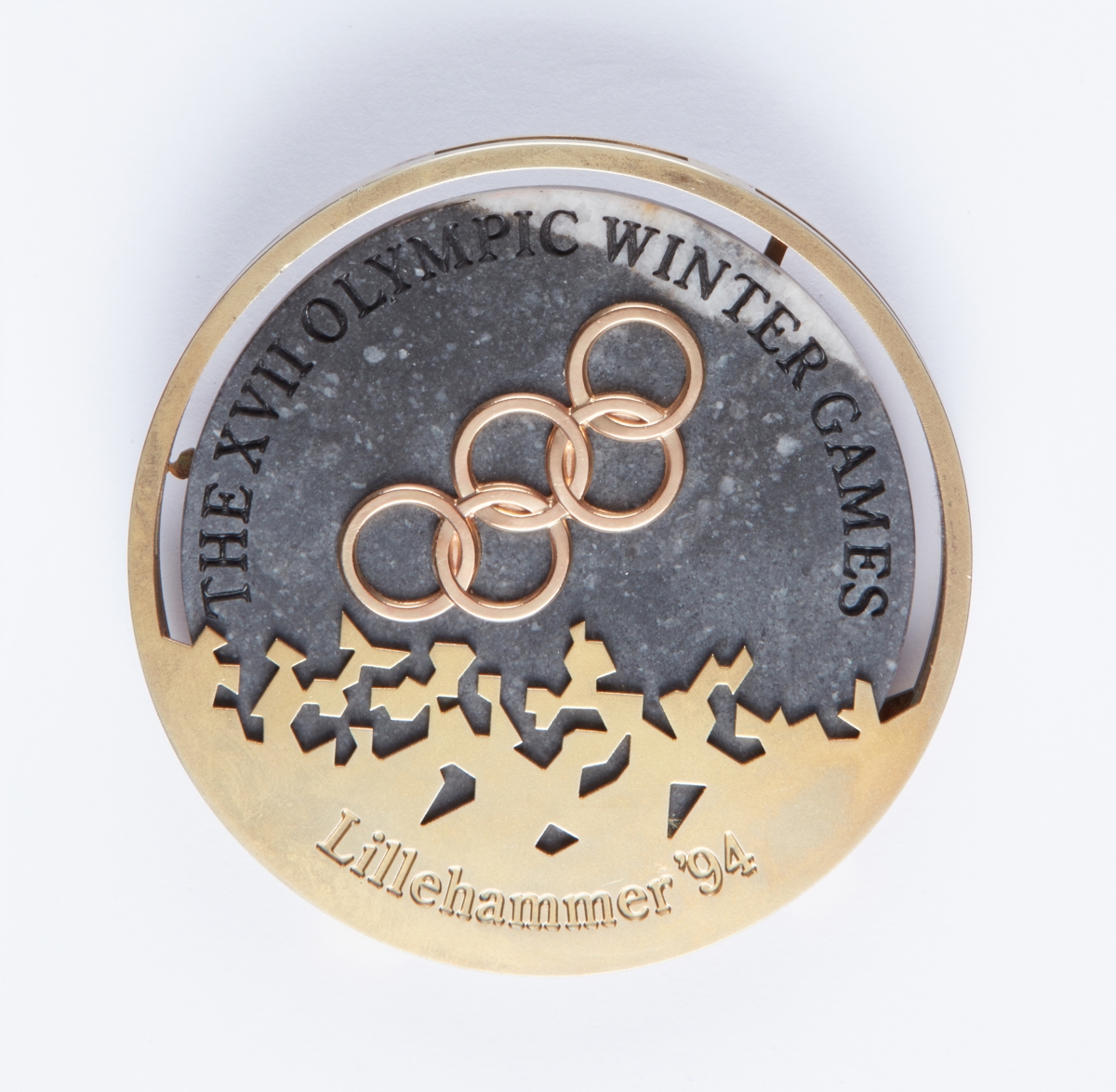
After winning the Lillehammer Olympic sprint, he switched to cross-country skiing and competed at Nagano. His return to biathlon brought more World Championship medals, a win in Antholz and a sixth Olympic medal at the age of 39.
He graduated from Ural State Technical University in 2003. After retiring, he worked as a coaching consultant, served in biathlon administration and became a member of parliament. An honorary citizen of Yekaterinburg since 2006, he died on 17 September 2026.
Twenty chapters: the cities, races, victories and life beyond the finish line.
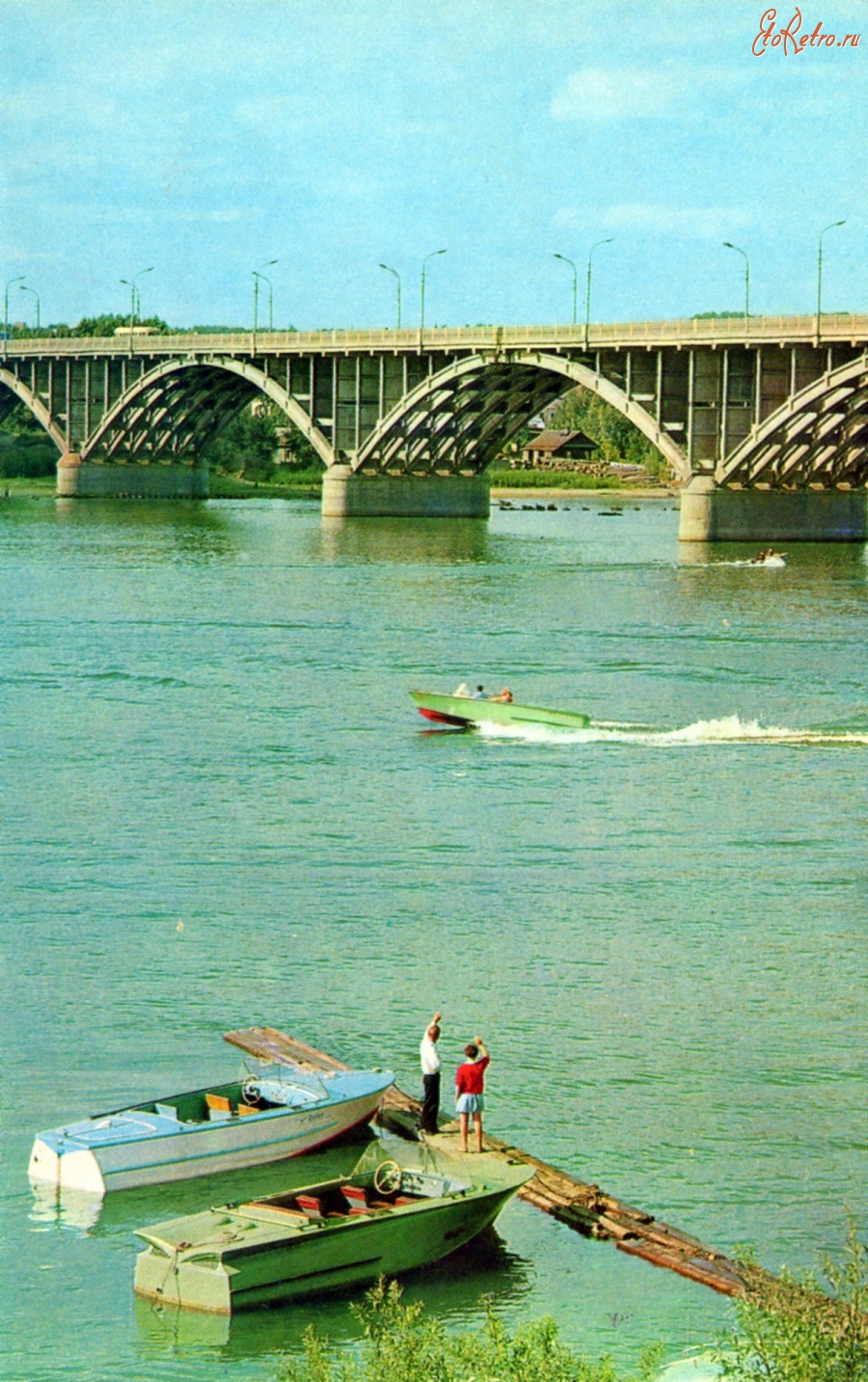
Born on 30 January in Khabarovsk Krai, he spent his childhood in Biysk, where he took up skiing and biathlon with coach Ivan Chumichev.
Before choosing biathlon, he tried ice hockey, chess and basketball at Biysk’s Zarya sports centre. During a return visit in 2016, he spoke about his childhood and early training.
The family moved to Biysk while Sergey was still a baby, after his father was assigned a job there. His school years and first sporting interests were therefore rooted in the Altai region.
At 13 he was invited to a sports boarding school in Sverdlovsk. Moving to the Urals shaped his future: he developed as an athlete there and later represented the region in international competition.
Boarding-school life meant daily discipline, training and living away from home. He built his endurance and learned to balance his studies with serious sporting demands.
He attended School No. 18 in Biysk until the sixth grade. In Sverdlovsk he continued training with Pavel Beresnev; the Urals gradually became his second home.
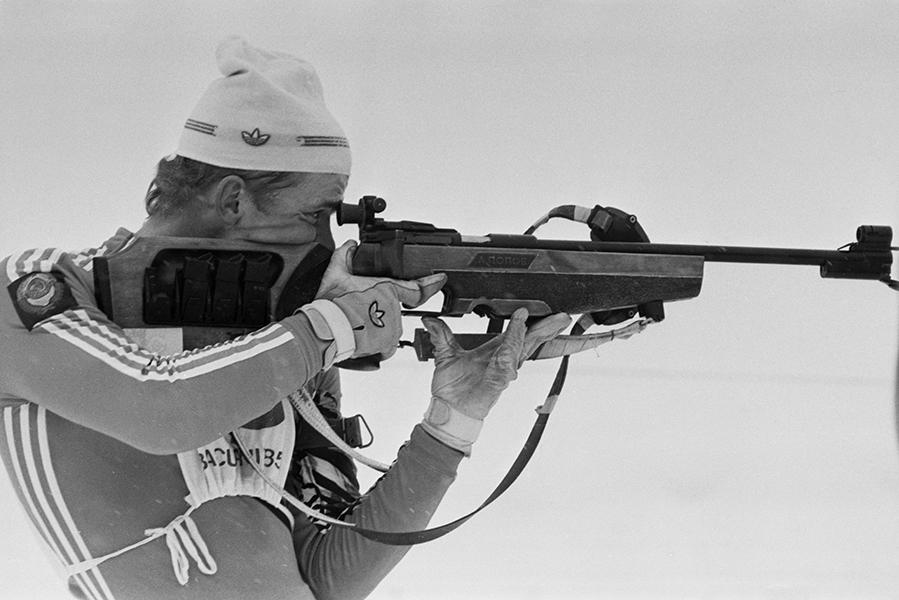
At the Junior World Championships he won the sprint, individual and relay. Success in all three events paved the way for his senior career.
The results demonstrated his versatility: he excelled over the short distance, in the longer four-shoot individual race and as part of a team. His next major goal was an Olympic team place.
He had joined the Soviet national squad in 1985. Lahti’s victories followed years of preparation and became his final major junior achievement before his Olympic debut.
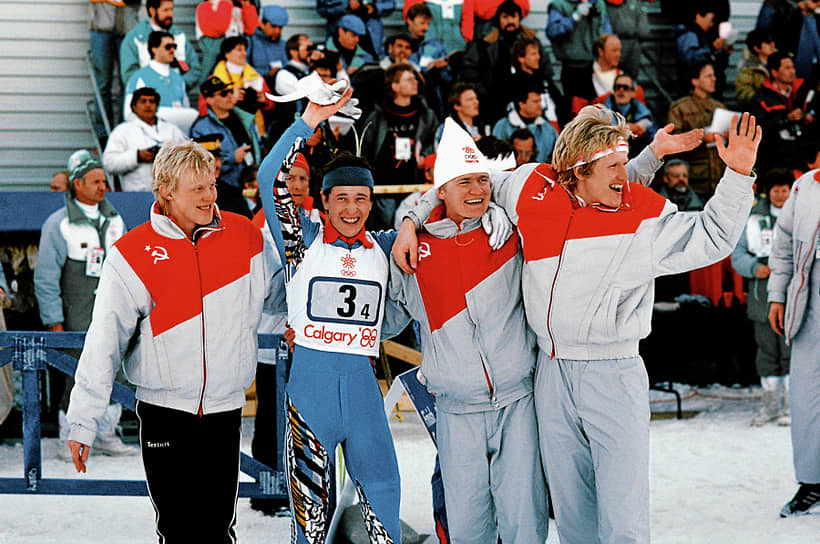
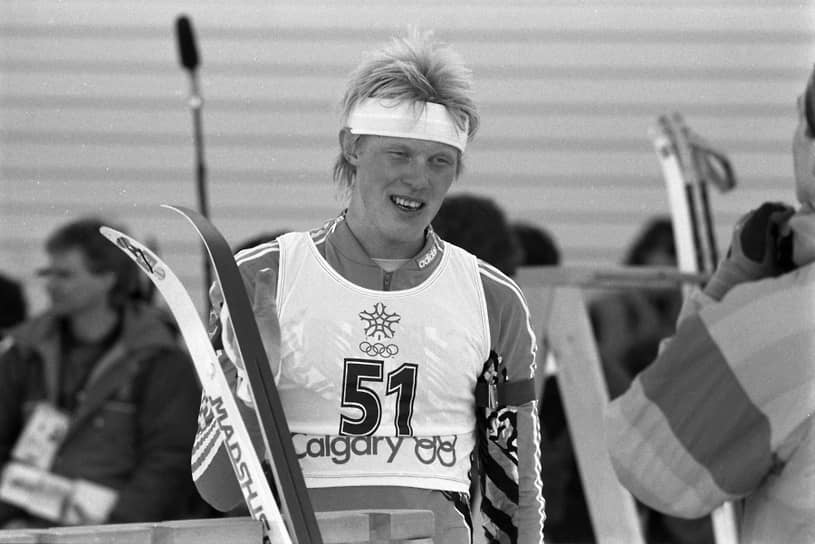
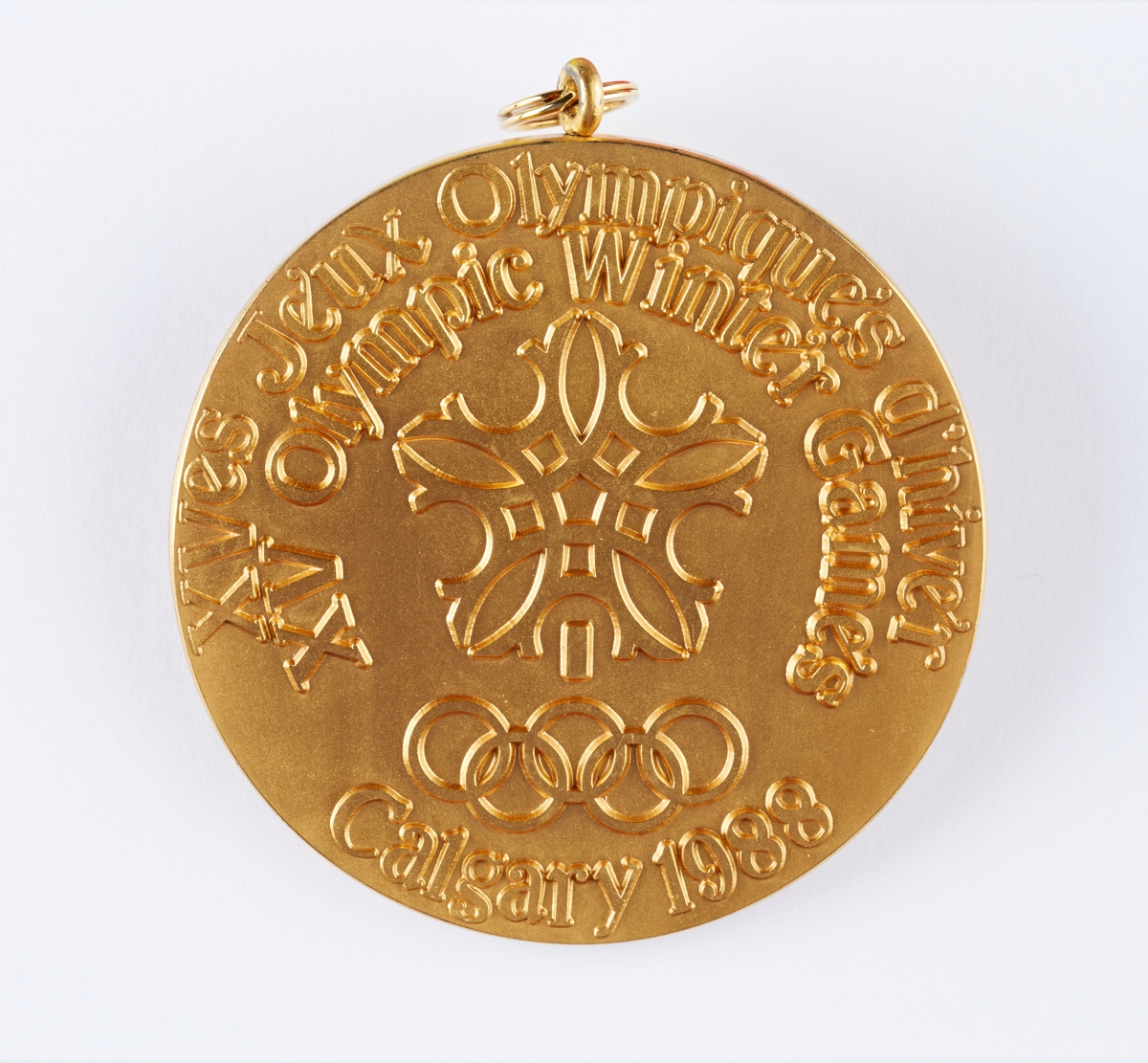
He won relay gold and 10 km sprint bronze, and finished fourth in the individual. He was named an Honoured Master of Sport of the USSR and received the Order of the Badge of Honour.
He shared the relay victory with Valery Medvedtsev, Alexander Popov and Dmitry Vasiliev. At his first Games he showed that he could contend both individually and as a team member.
That year he also won the Soviet Championship relay and took silver over 20 km, adding national results to his Olympic success.
In Feistritz he won the team event and took relay silver. He finished the World Cup season third in the overall standings.
The team event and relay were separate World Championship disciplines, so his two Feistritz medals came from different races. His overall ranking reflected consistency across the season.
Third overall was another step forward. The following season he would reach first place, beginning two years at the top.
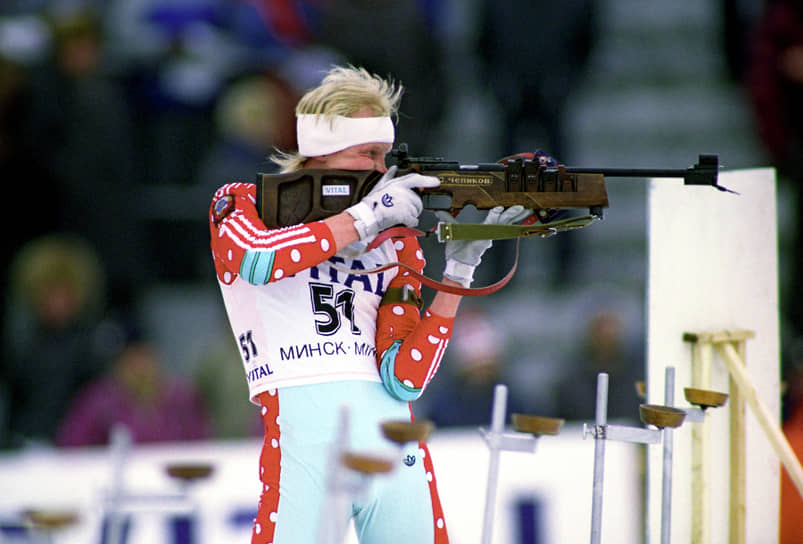
He won the 1989/90 overall World Cup, a first in his country’s biathlon history. At the World Championships he earned individual silver and sprint bronze.
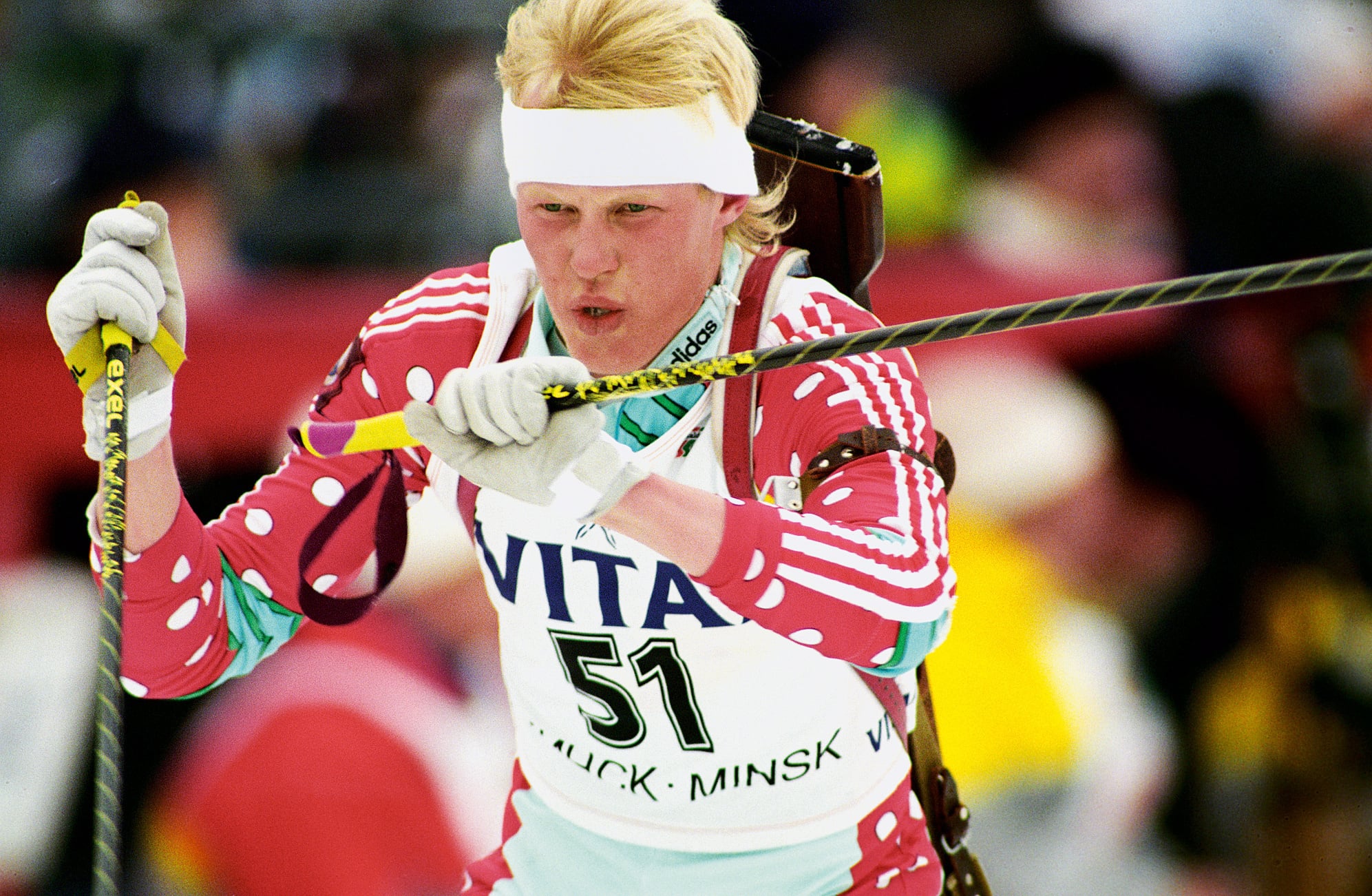
The World Championships used several venues: the individual was held in Minsk and the sprint in Holmenkollen. The overall World Cup title rewarded a full season, rather than one race.
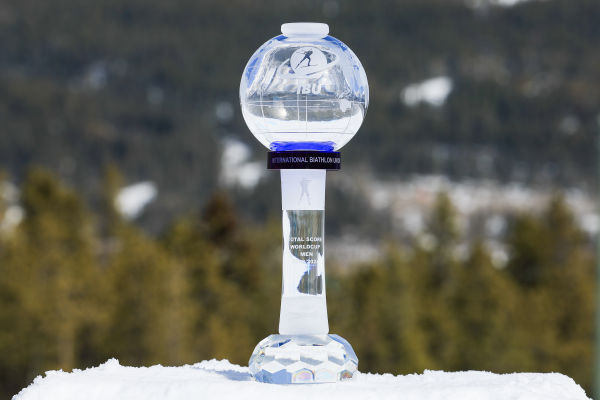
The season produced two distinct achievements: medals in individual World Championship races and first place in the World Cup standings. The Crystal Globe recognises the latter.
He defended his overall World Cup title. At the World Championships in Lahti he added relay silver and team-event bronze.
A second consecutive overall title confirmed his place among biathlon’s leading athletes. The Lahti medals added team results to his individual season-long success.
The two Globes came in 1989/90 and 1990/91. Both were won for the Soviet team, before he represented the Unified Team and then Russia.
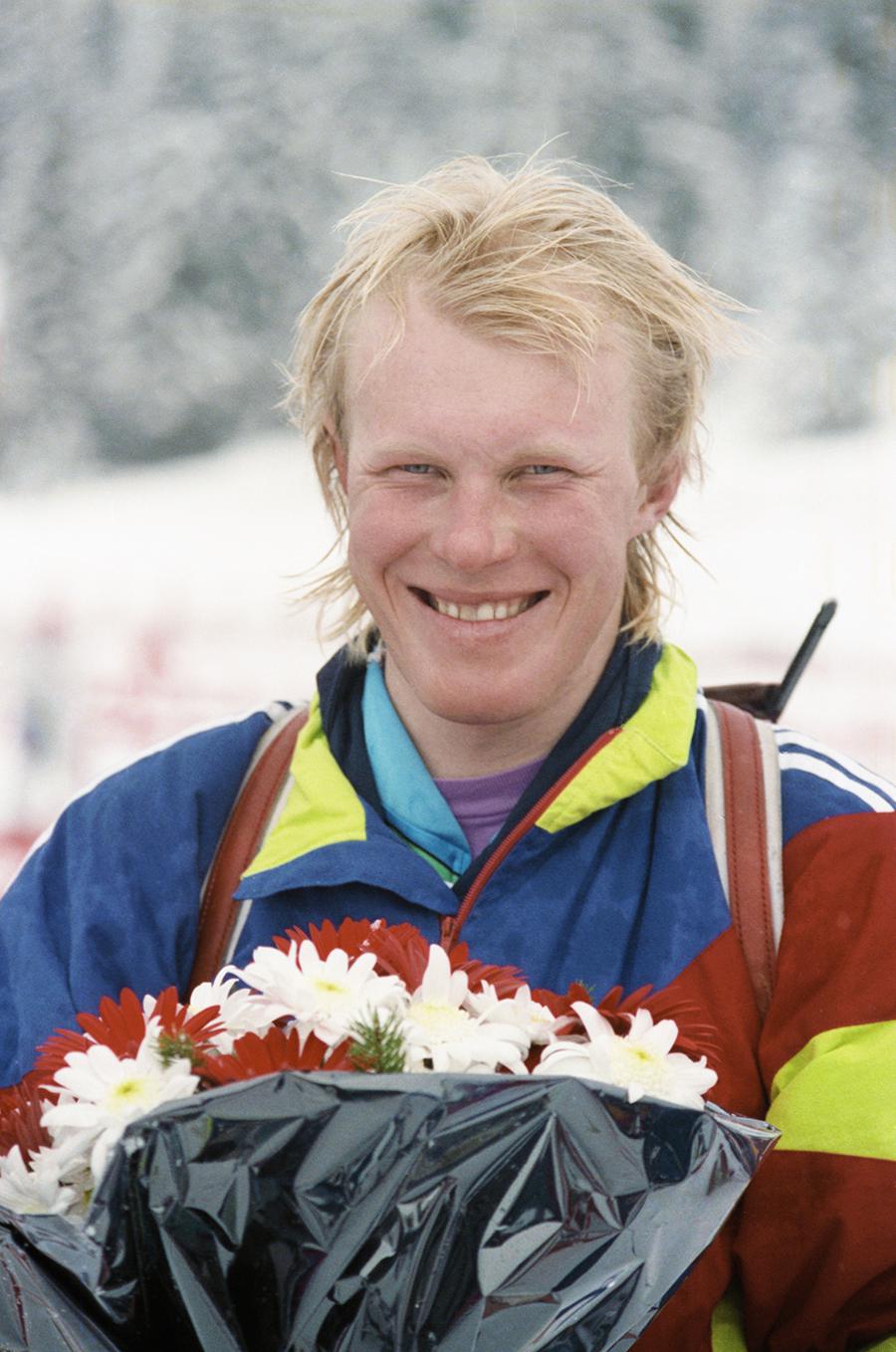
His second Olympics brought relay silver. Individually he finished fourth in the sprint and tenth in the individual race.
He represented the Unified Team, with Valery Medvedtsev, Alexander Popov and Sergey Tarasov alongside him in the relay. In the sprint he finished one place short of the podium.
Albertville marked a transition: after representing the USSR, he competed for the Unified Team. At his next Olympics he would carry Russia’s flag.
At the World Championships in Bulgaria he took silver in the relay and team event, and bronze in the 20 km individual.
Three medals at one championship reflected his strengths: the long individual race, relay reliability and working with teammates in the team event.
This was his first World Championships representing Russia. His medal haul combined one individual award with two team medals.
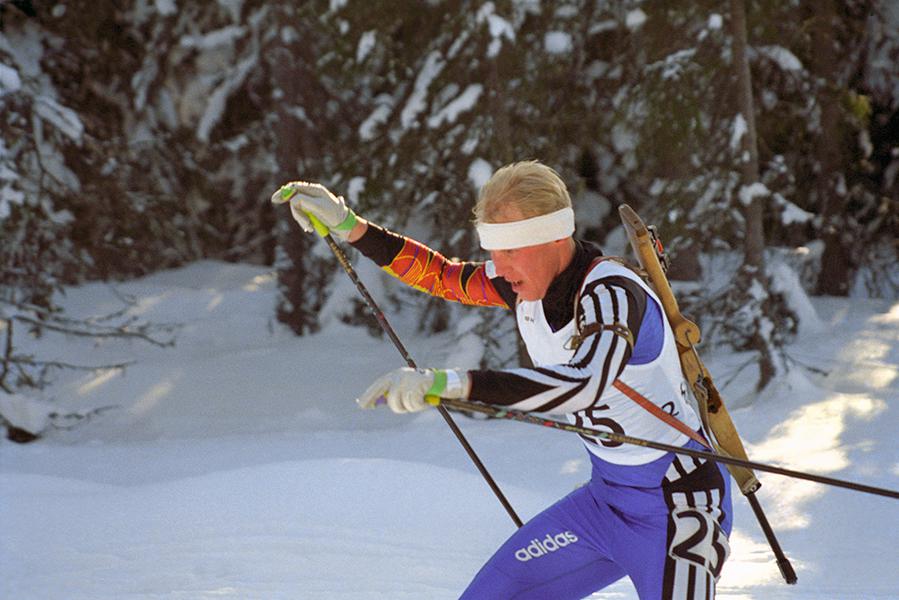
He carried Russia’s flag at the opening ceremony, then won the 10 km sprint with clean shooting to become a two-time Olympic champion. Relay silver followed. He received the Order for Personal Courage.
At his third Games he won an individual Olympic event for the first time, hitting every sprint target. Lillehammer’s gold and silver brought his Olympic medal total to five.
The winning sprint took place on 23 February. Chepikov covered 10 km and two clean shooting stages in 28 minutes 7 seconds to claim individual Olympic gold.
He joined the cross-country team, finishing fourth in the relay at the 1997 World Championships. At Nagano 1998 he placed ninth in the pursuit and fifth in the relay, also racing over 10 and 30 km.
Nagano was his only cross-country Olympics. He entered four events: 10 km, 30 km, pursuit and relay. His best individual result was a top-ten pursuit finish.
He finished 22nd over 10 km and 32nd over 30 km. Fifth in the relay remained his best team result at those Games.
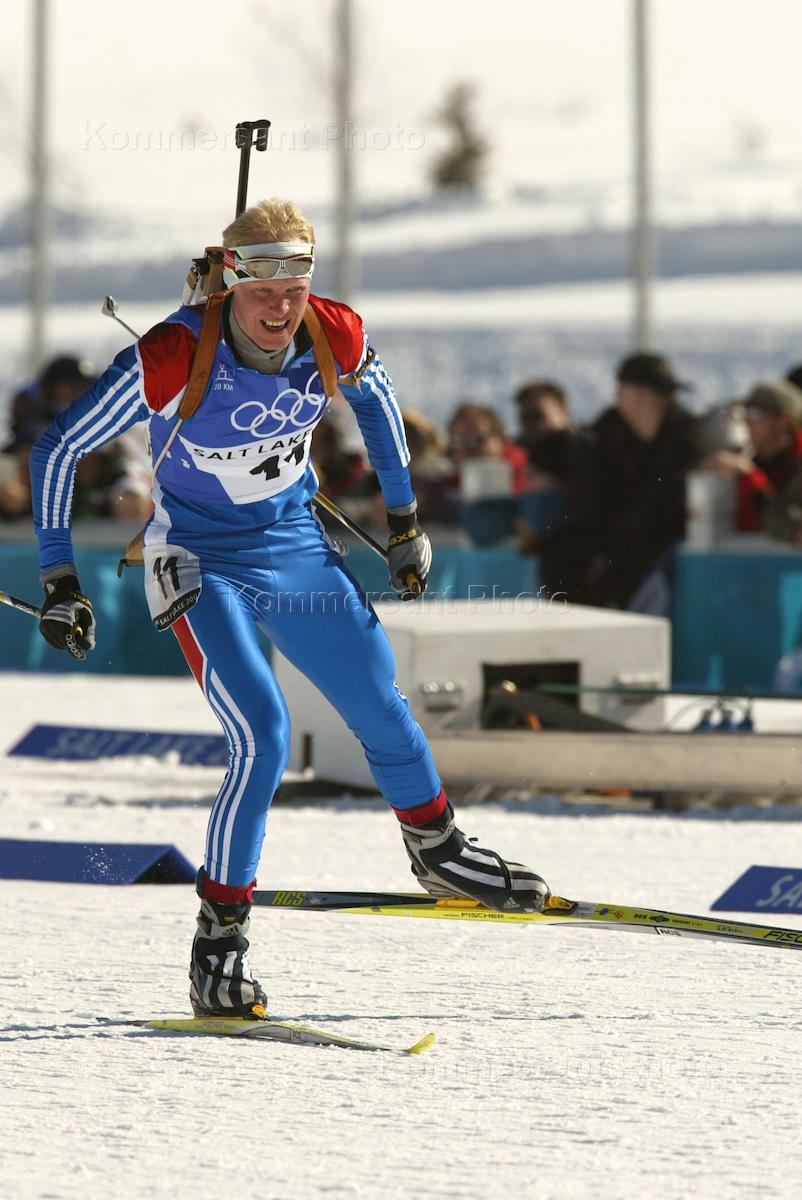
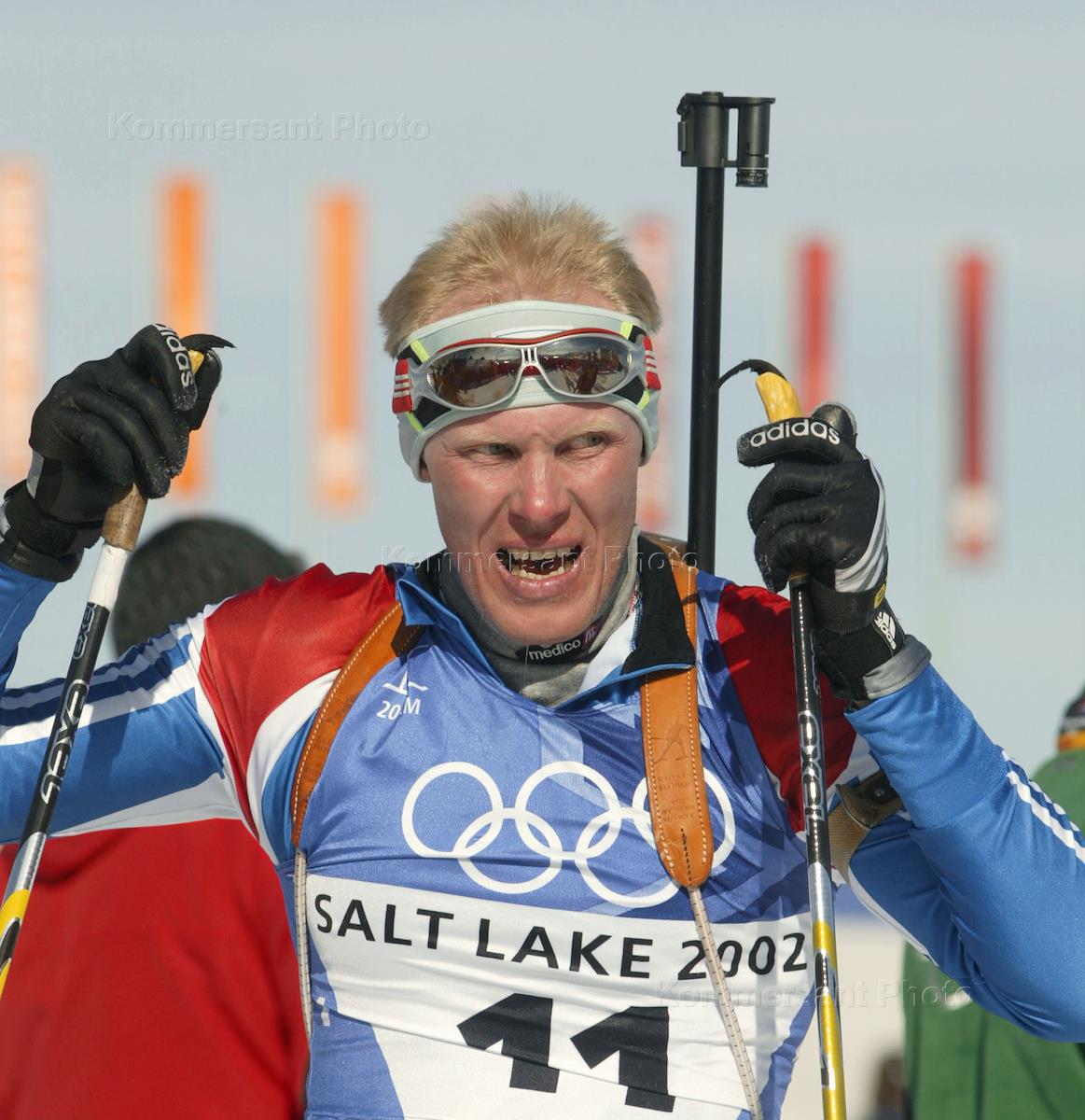
He returned to biathlon and qualified for his fifth Olympics. In Salt Lake City he finished eighth in the individual and fourth in the relay.
After several years in cross-country skiing, he again combined speed on the course with shooting. At 35 he competed in Salt Lake City, extending his Olympic career into a third decade.
His 2002 Olympic record lists two events: 20 km and relay. The comeback had yet to produce an Olympic medal, but another World Championship podium was only a year away.
He won World Championship relay silver in Khanty-Mansiysk. In the same year he graduated from Ural State Technical University, UPI.
Khanty-Mansiysk marked an important stage in his return: his first new World Championship medal. Alongside his racing career, he completed his technical university education.
The relay silver was his first World Championship medal in ten years, following his Borovets medals in 1993.
He won the World Cup sprint in Antholz, another individual success at the highest international level following his Olympic victory in 1994.
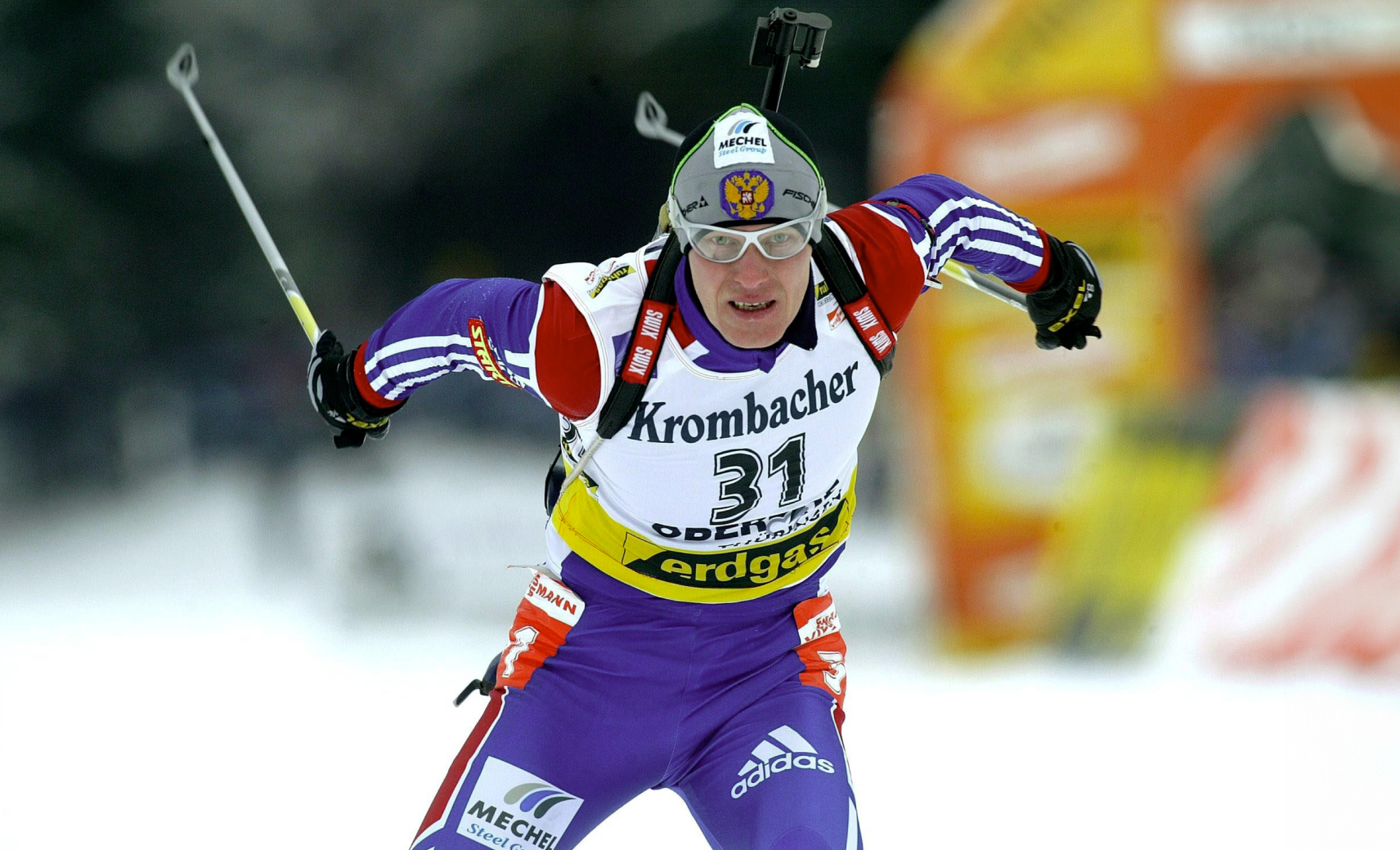
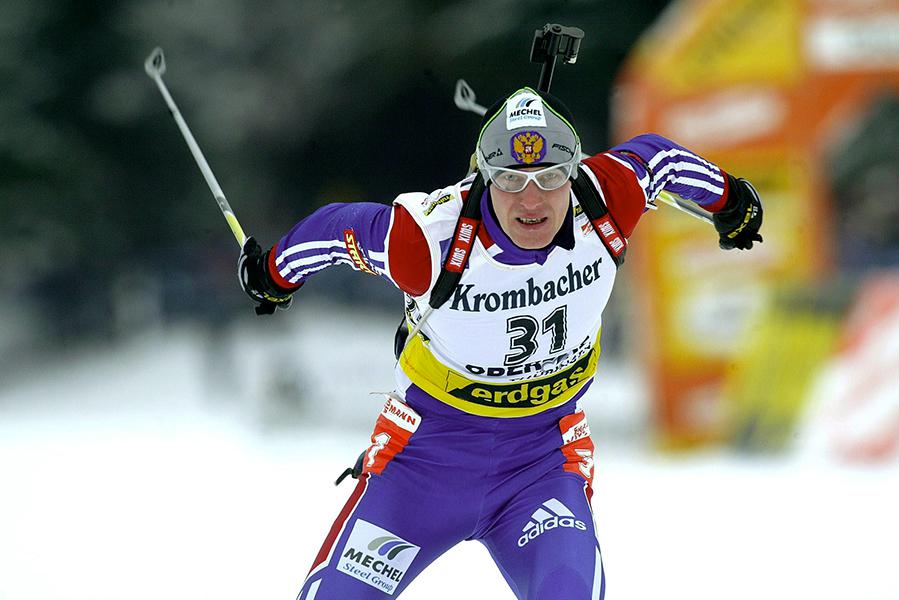
The Antholz victory was his first World Cup race win in ten years. That season he also competed at the Oberhof World Championships; the photograph shows the individual race there.
He won in Antholz shortly before turning 37. His return to biathlon had now brought both team medals and first place in an individual event.
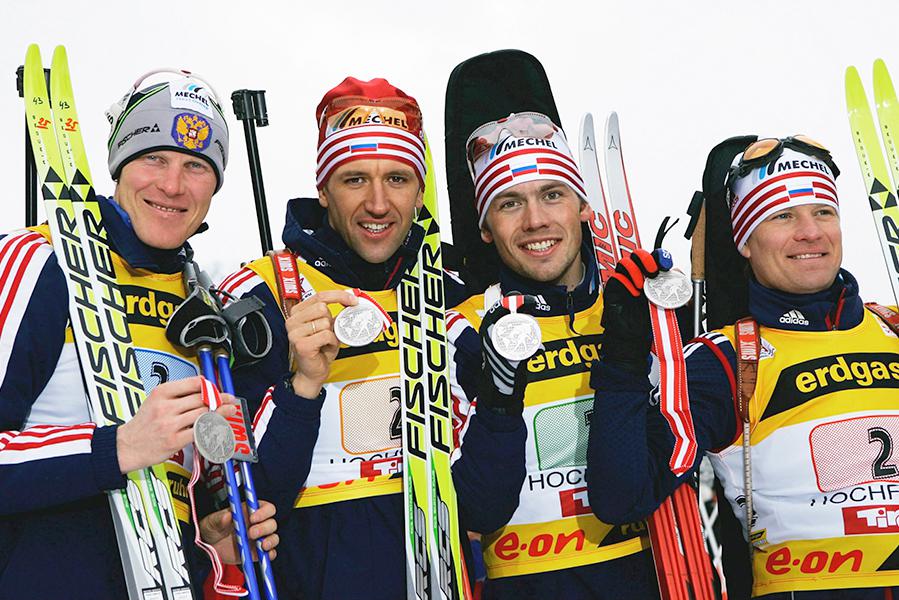
At the Hochfilzen World Championships he finished second in the pursuit and relay. He also won silver at the separate mixed relay championships in Khanty-Mansiysk.
Pursuit silver was an individual World Championship medal after his return from cross-country skiing. The other two medals came with the men’s and mixed relay teams.
The medals were won in two cities: the men’s events took place in Hochfilzen, Austria, and the separate mixed relay championship in Khanty-Mansiysk.
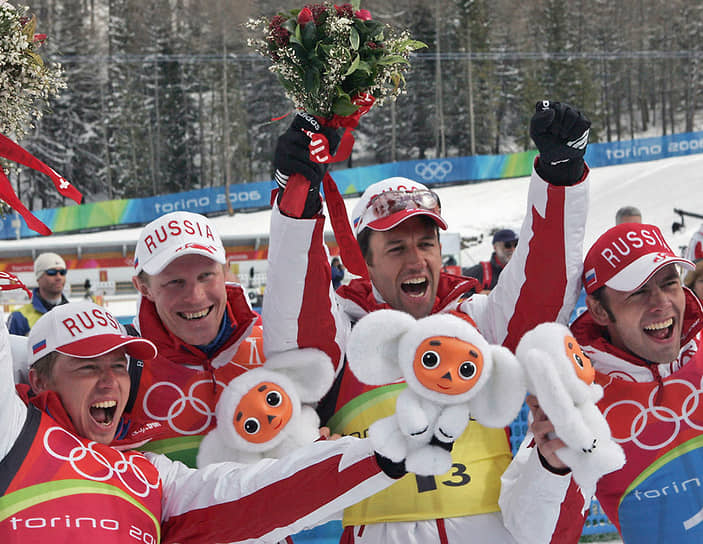
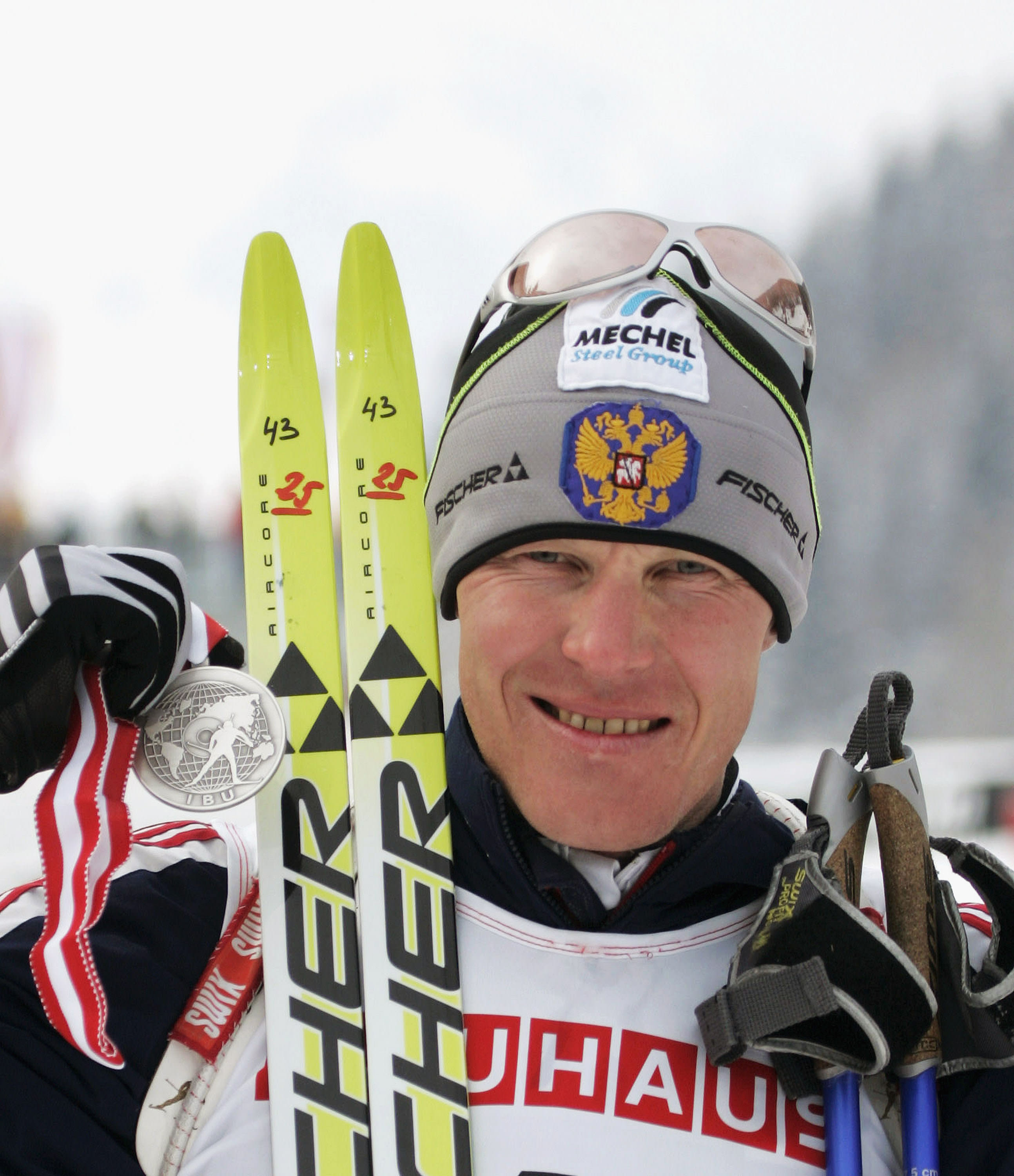
At 39 he won men’s relay silver, placed fourth in the individual and fifth in the mass start. Later he won mixed relay world gold in Pokljuka and became an honorary citizen of Yekaterinburg.
His Turin relay teammates were Ivan Tcherezov, Pavel Rostovtsev and Nikolay Kruglov. Eighteen years separated his first and last Olympic medals, from Calgary to Turin.
He finished close to the individual podiums in Turin: fourth over 20 km and fifth in the mass start. The relay quartet delivered the medal.
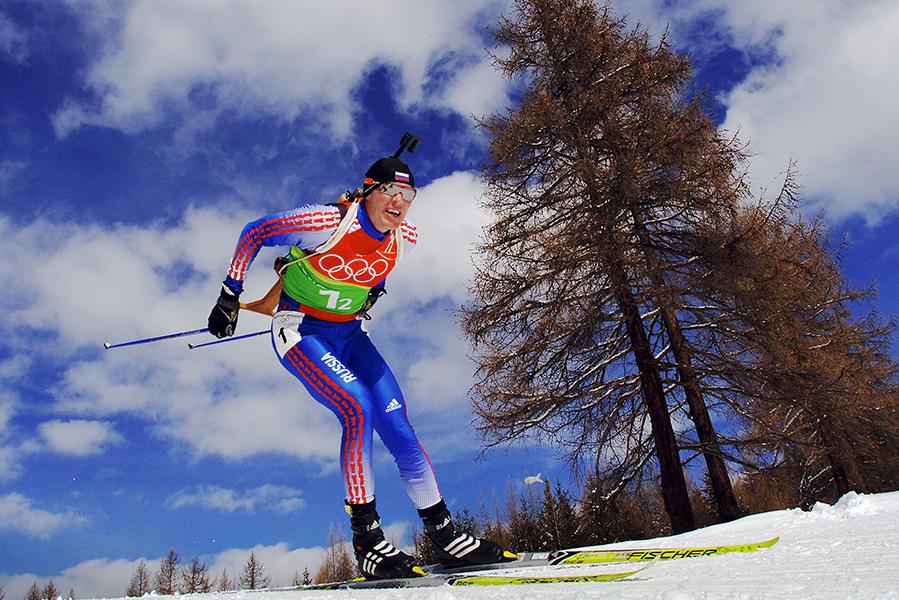
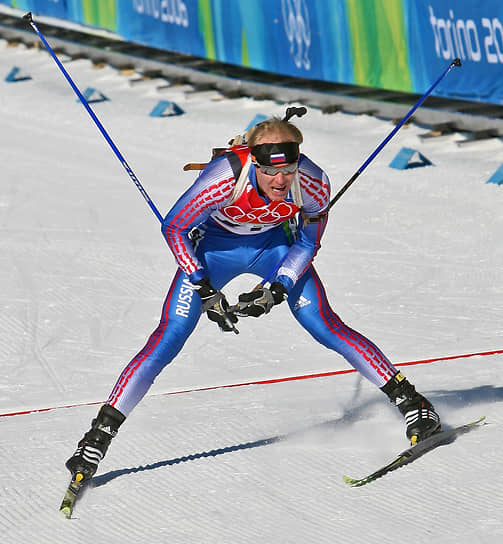
He retired in March and moved into coaching with the Urals District Internal Troops sports team. He received the Order for Merit to the Fatherland, fourth class.
The decision followed a long international career in two sports. Coaching allowed him to pass his experience to the next generation of athletes.
He led the Urals District Internal Troops team in 2007–2008. His Order for Merit to the Fatherland, fourth class, was awarded by decree dated 27 June 2007.
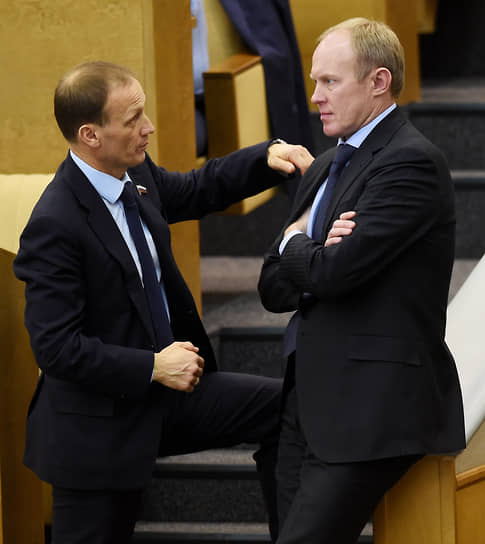
He entered the regional Duma in 2008 and the Sverdlovsk Legislative Assembly in 2011. He was a Russian team coaching consultant in 2010–2013 and served on the Russian Biathlon Union board in 2011–2014.
He combined public service with work in biathlon. In February 2012 he taught a ski lesson to Yekaterinburg schoolchildren, and in 2014 attended the opening of a sports centre in Sukhoi Log.
On 9 February 2012 he worked with second- and fifth-grade pupils at Gymnasium No. 144. He demonstrated exercises, helped with bindings and explained how to hold poles, then answered the children’s questions.
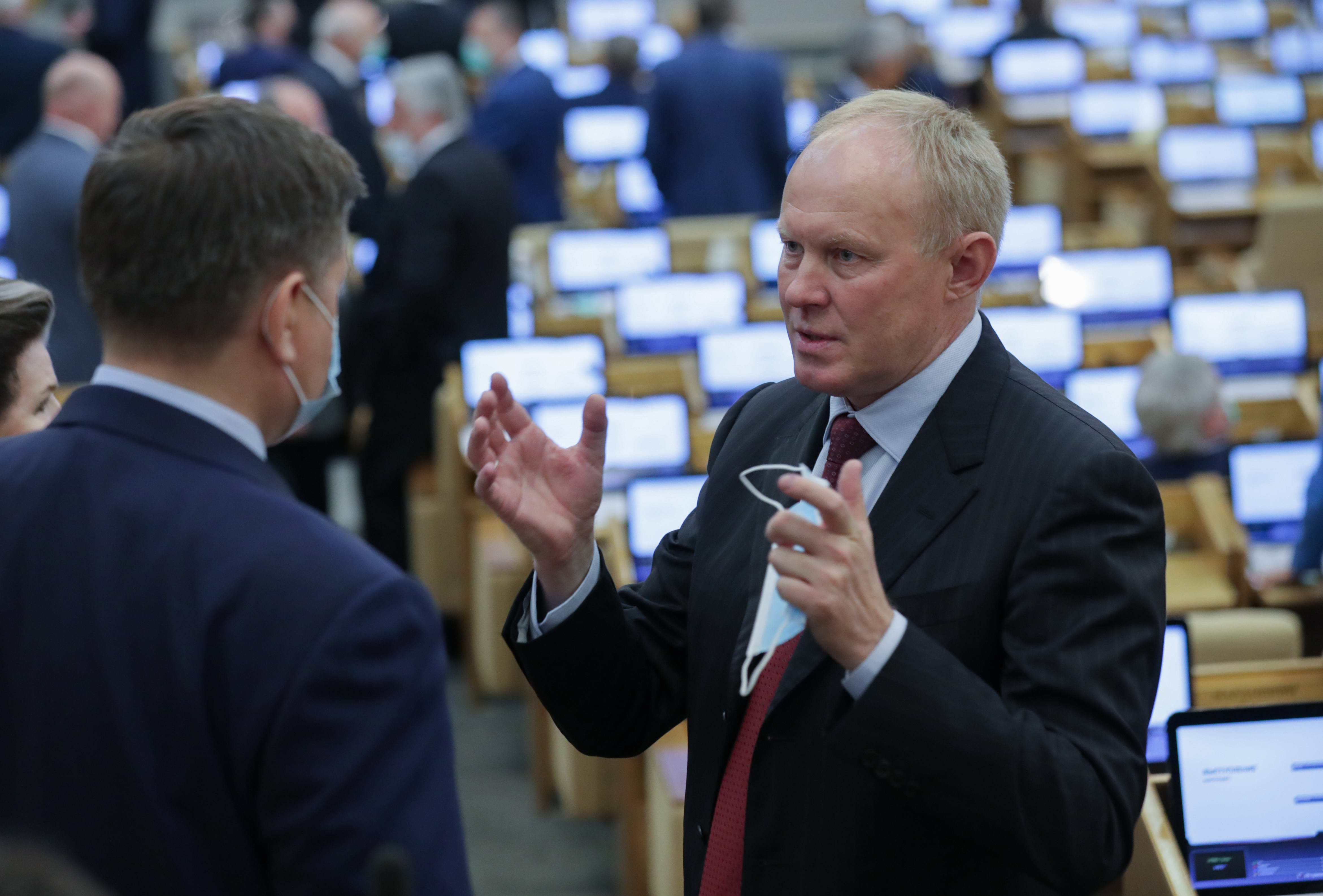
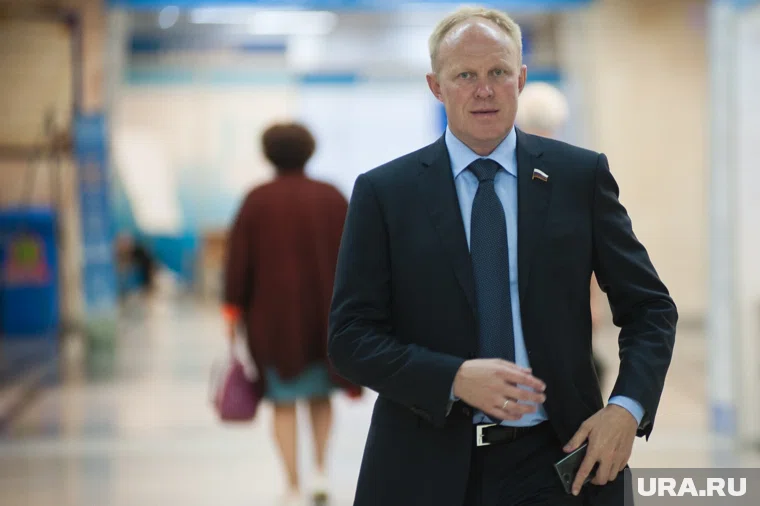
In 2016 he was elected to the seventh State Duma for the Berezovsky constituency, and returned for its eighth term in 2021. He continued attending sporting events and children’s projects.
His parliamentary work ran alongside meetings with athletes and youth projects. In 2021 he presented OTV’s Come to Training programmes about choosing sports clubs.
In February 2016 he returned to Biysk to open the seventh Winter Olympics of Altai towns. He recalled Zarya and his first coach, the places and people at the beginning of his journey.

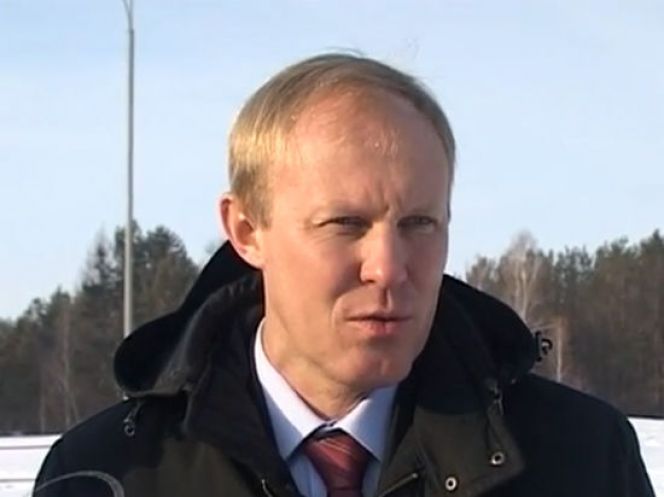
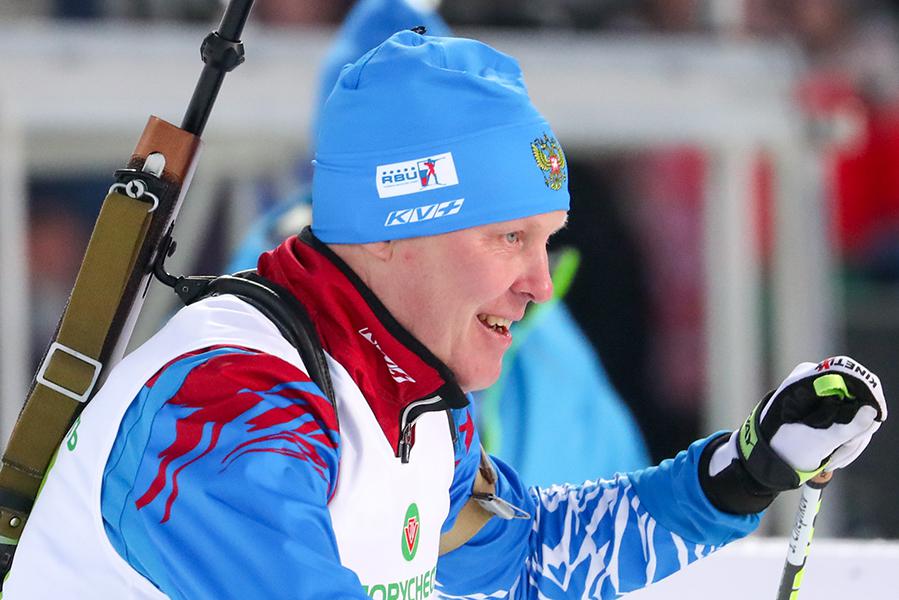
He died on 17 September. His sporting legacy includes six Olympic medals, fourteen World Championship medals and two overall World Cup titles.
The Russian Biathlon Union announced his death on 17 September. He had represented the USSR, the Unified Team and Russia, and made the unusual elite-level switch between biathlon and cross-country skiing.
His legacy extends beyond medals to years of coaching, meetings with schoolchildren and the rare experience of competing in two Olympic sports.
Timeline sources: Olympedia, Sport Strana, Russian Biathlon Union.
“If you want consistency in winter, work for consistency during preparation.”SERGEY CHEPIKOV · CHAMPIONAT, 14 OCT 2012 · English translation ↗
From his first Olympic gold to a medal at 39. The landmark results of a long career.
Two consecutive seasons at the top of the overall standings.
Olympic results: Olympedia. World Championship medals checked race by race against the Dynamo archive: two gold, nine silver and three bronze.
“What makes life so good is the opportunity to experiment.”SERGEY CHEPIKOV · ON LIFE, CHAMPIONAT, 2012 · English translation ↗
Coaching, parliament, meetings with children and support for sports projects.
State Duma member profile ↗Member · Social Policy Committee
Elected on 2 March 2008, he moved into regional parliamentary work after retiring from competition, while retaining his links with biathlon.
He coordinated a regional sports-centre construction project. From 2010 he combined parliamentary duties with work as a coaching consultant for the Russian national team.
Career record ↗
Deputy chair · Social Policy Committee
Elected to the regional Legislative Assembly in December 2011. His areas of responsibility included physical culture, sport, tourism and youth policy.
During this period he taught schoolchildren and participated in sports infrastructure projects: a ski lesson at Gymnasium No. 144 in 2012 and the opening of a sports centre in Sukhoi Log in 2014.
Career record ↗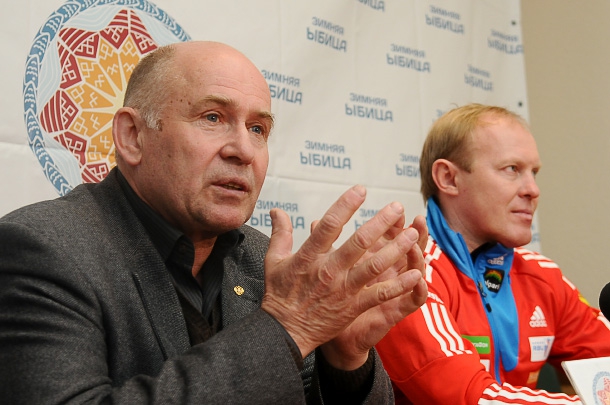
Member for Berezovsky constituency No. 170
Elected on 18 September 2016. He served on the Committee on Physical Culture, Sport, Tourism and Youth Affairs, and later on the Committee on Transport and Construction.
He continued representing Sverdlovsk Oblast. In 2019 he raised the development of the Belaya Mountain tourism project and joint infrastructure funding, while participating in youth sports and charity events.
Career record ↗Committee on State Building and Legislation
Re-elected for the Berezovsky constituency in 2021, he joined the Committee on State Building and Legislation. He served until his death in September 2026.
He remained involved in sporting life, commenting on biathlon and the Olympic Games. His parliamentary committee in this term focused on legislation rather than sport.
Career record ↗
On 9 February he taught second- and fifth-grade pupils at Yekaterinburg’s Gymnasium No. 144, helping them with skiing technique and holding their poles. A documented example of his personal work with children.
JustMedia report ↗As the regional coordinator of a sports-centre construction project, he attended the opening of a sports and recreation centre in Sukhoi Log on 14 March 2014.
Opening report ↗Alongside Anton Shipulin and other Urals Olympians, he took part in a sprint with juniors. These events gave children a chance to share a sporting venue with champions.
URA.RU report ↗He participated in charity sports events organised by the Anton Shipulin Foundation, including its Laser Bullet champions’ team. The foundation documents his involvement in meetings and the opening of sports facilities.
Foundation history ↗At a committee meeting he raised the inclusion of the Sverdlovsk Belaya Mountain project in a tourism-cluster programme and joint funding for infrastructure. The source documents a proposal, not the passage of a separate law.
Meeting report ↗In OTV’s television series he introduced athletics, Muay Thai and rhythmic gymnastics clubs. The programmes let children and parents see what training involves.
Watch the OTV episode ↗Meeting junior athletes and supporters, and working in parliament.
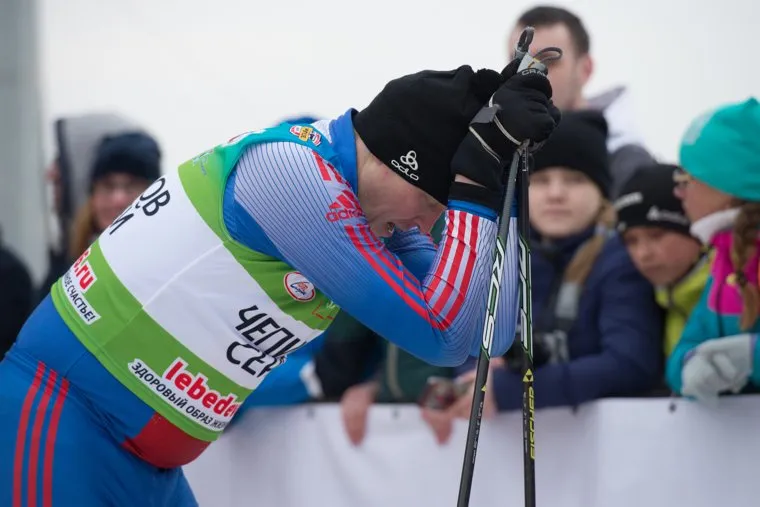
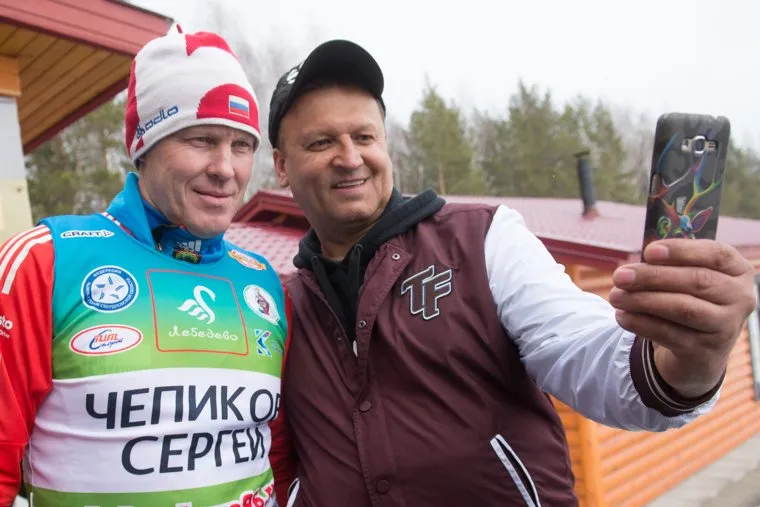
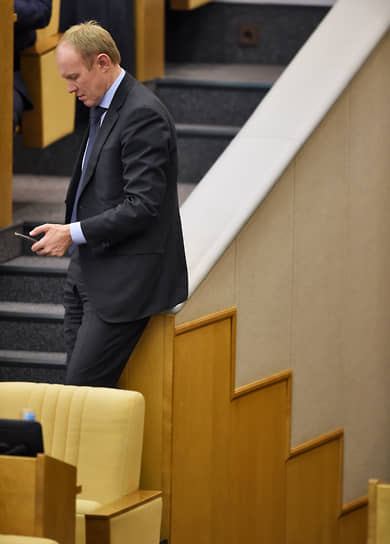
In the seventh State Duma he served on the Committee on Physical Culture, Sport, Tourism and Youth Affairs. His activities included youth sport, sports centres and sporting initiatives in Sverdlovsk Oblast.
He taught and met schoolchildren, participated in Shipulin Foundation projects and presented Come to Training. In the eighth Duma he joined the Committee on State Building and Legislation.
Official parliamentary record ↗Conversations about choices, comebacks, family and life beyond the course.
Original interviews and linked broadcasts are in Russian.
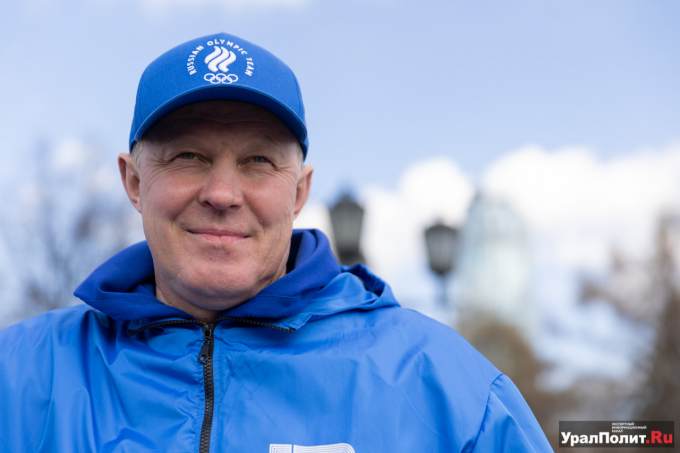
An extended personal interview about everyday life, music, reading and making time count.
Read interview ↗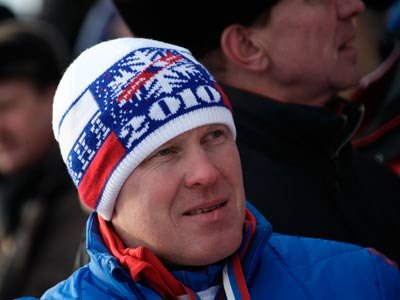
Mountain training, changing methods, fitness and returning to the national team.
Read interview ↗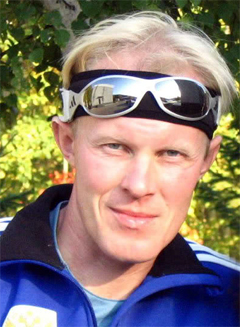
Why the champion chose cross-country skiing and how he decided to retire.
Read interview ↗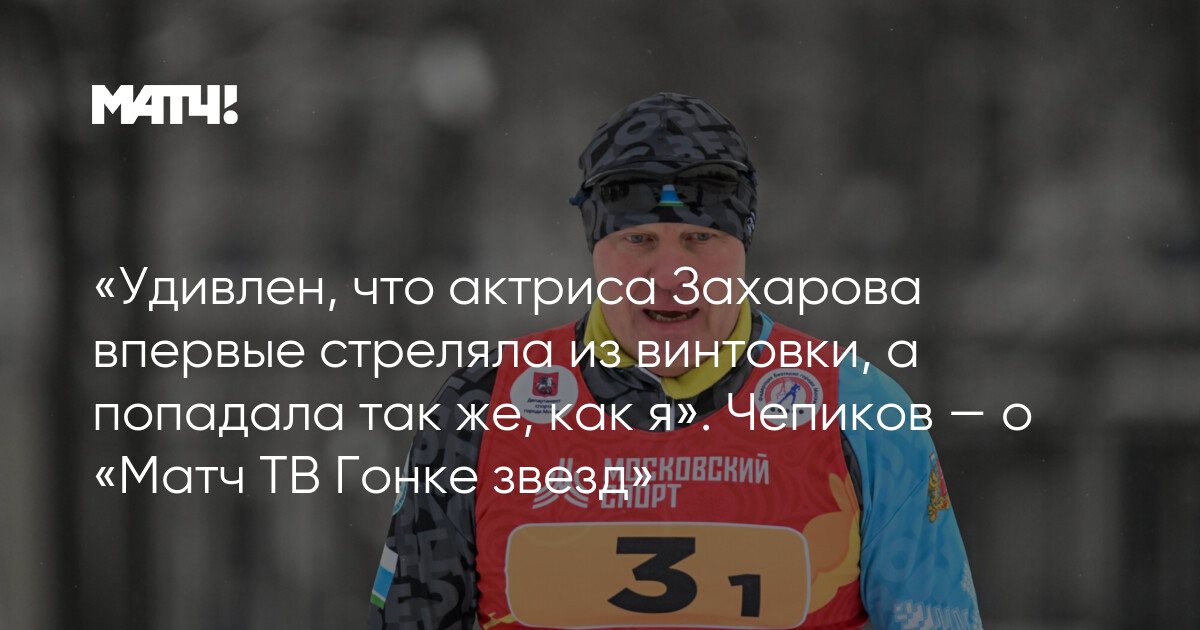
Meeting biathlon legends, partnering Elena Zakharova and training after retirement.
Read interview ↗“I would tell my twenty-year-old self to waste less time on trivial things — life is very short.”SERGEY CHEPIKOV · URALPOLIT.RU INTERVIEW, 2021 ↗
From the Soviet team to parliament. Choose a year or open a photograph in the viewer.
Dates follow the source captions. Undated images are listed separately. Full credits and source links are available in the viewer.
“I need to see continual development in sport and in life.”SERGEY CHEPIKOV · INTERVIEW WITH EVGENY GAVRILOV, 3 JUN 2007 · English translation ↗
Long conversations, studio appearances and his own programmes. Each cover comes from the corresponding recording.
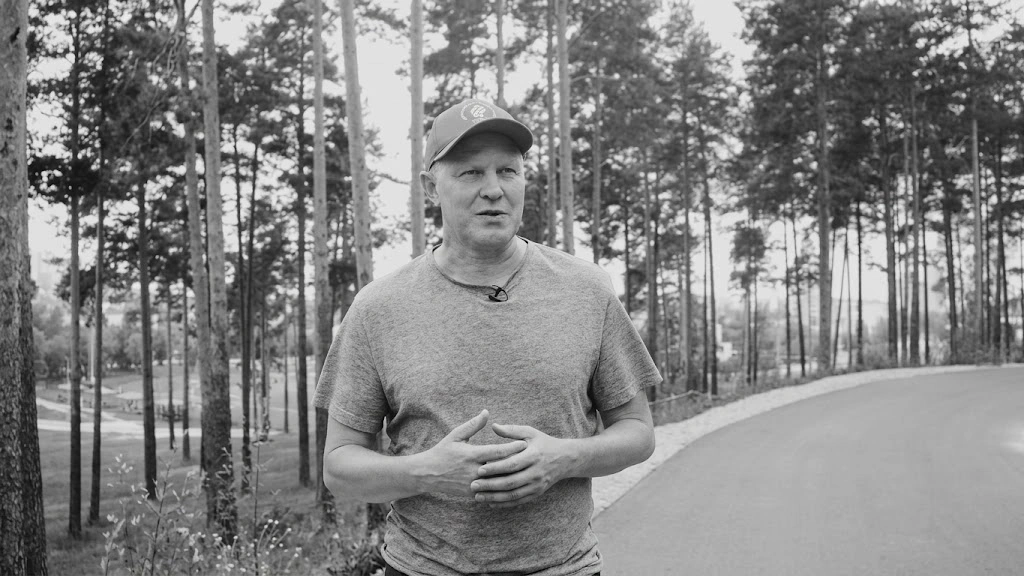 CONVERSATION
A conversation with Sergey Chepikov. Full recording on the Nashi Lyudi channel.
Watch interview ↗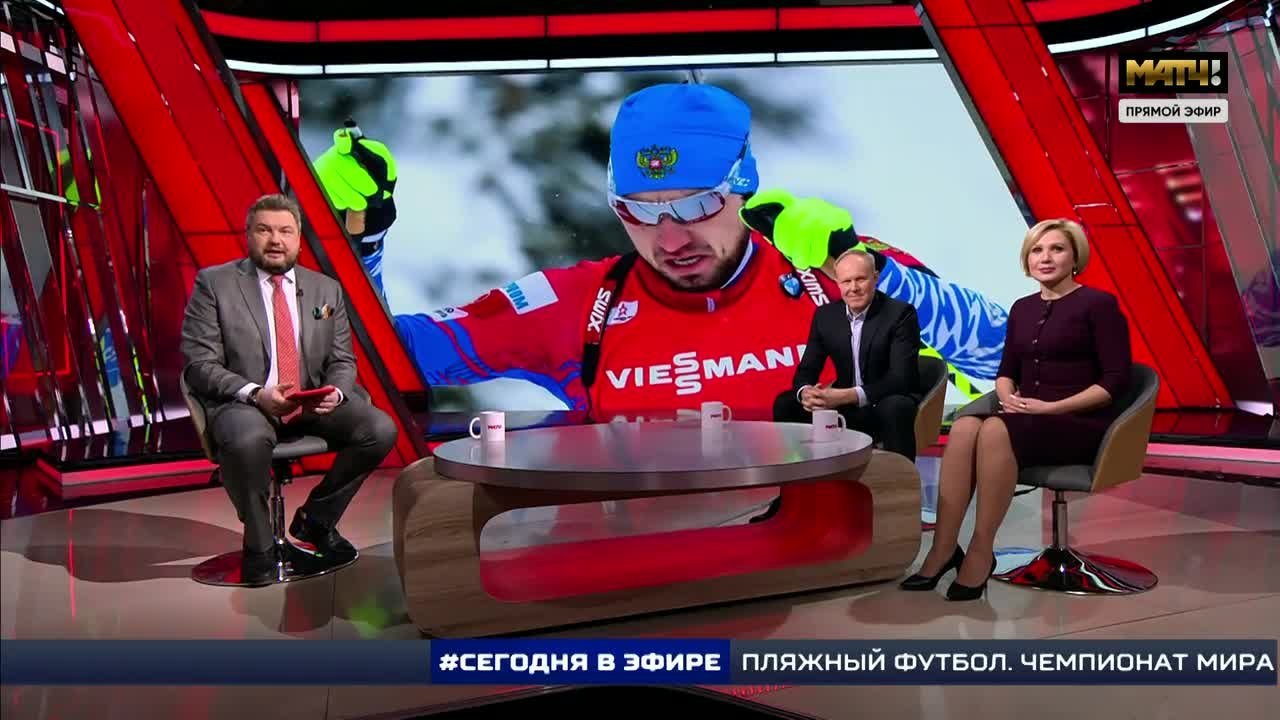 CONVERSATION
Sergey Chepikov and Natalia Sorokina discuss the Russian team’s preparations and the start of the Antholz World Championships.
Watch conversation ↗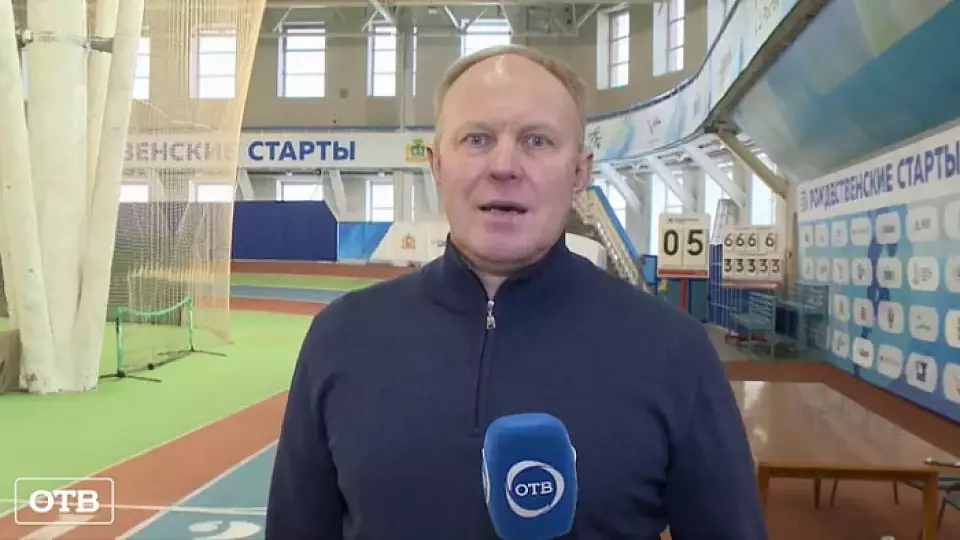 HIS OWN SERIES
Come to Training: Chepikov talks to coaches and young athletes as the programme’s presenter.
Watch episode ↗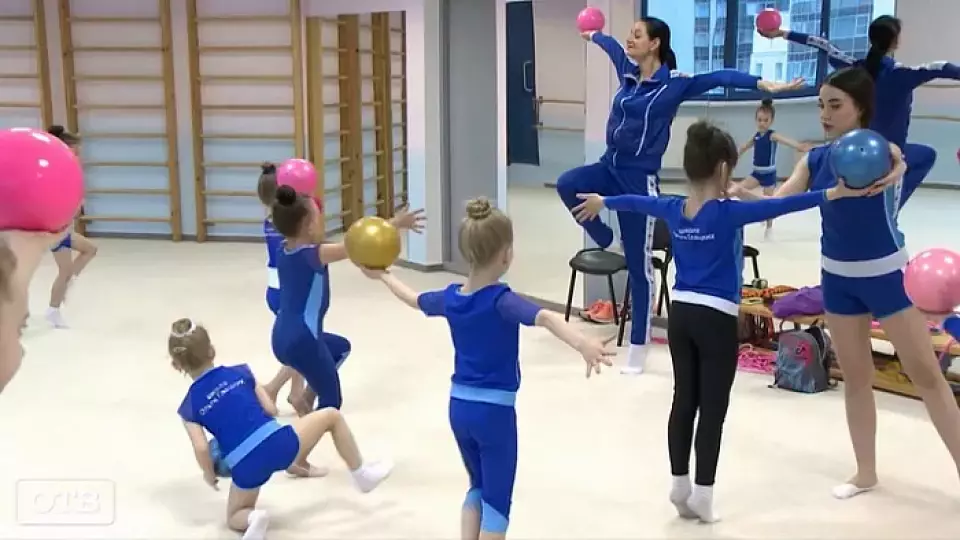 HIS OWN SERIES
First training sessions, preparation and choosing a club in a series about children’s sport.
Watch episode ↗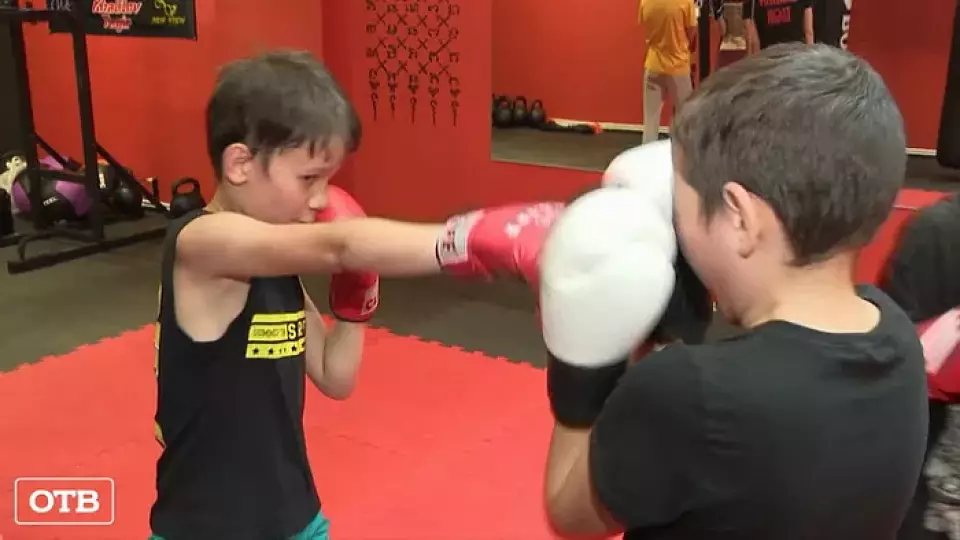 HIS OWN SERIES
A visit to a sports club: how sessions work and how children are introduced to martial arts.
Watch episode ↗An independent biographical project, not an official website of the athlete or his family. Materials checked on 23 September 2026. This is a curated selection of verified material, not an exhaustive archive of every publication.
Interviews and videos link to their original publications. Copyright remains with the respective rights holders.